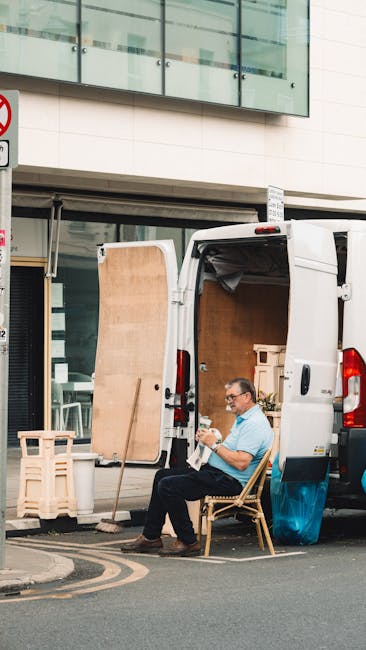
Homerton Grove Man and Van Access Notes for E9 Streets
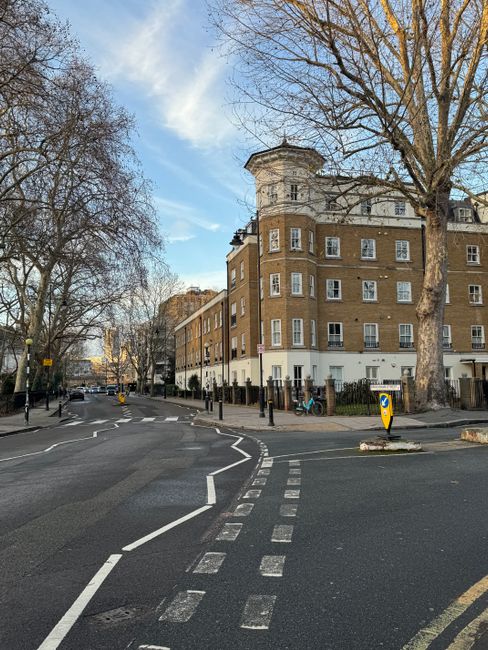
If you are planning a move around Homerton Grove, the small details can make a big difference. A van parked half a street away, a narrow turning circle, or a busy stretch of E9 traffic can turn a straightforward job into a slow, sweaty morning. That is exactly why Homerton Grove Man and Van Access Notes for E9 Streets matter: they help you think ahead, avoid delays, and keep the move calm from the first lift to the last box.
Whether you are moving a flat, collecting furniture, or booking a man and van for a tight local access job, the same principle applies. Know where the vehicle can stop, how your items will reach the door, and what the street itself is likely to throw at you. In our experience, a little preparation here saves more time than people expect. And yes, sometimes it saves a bit of money too.
This guide breaks down the access issues, the practical steps to take, the common mistakes to avoid, and the best way to prepare for E9 streets around Homerton Grove. It is written for real moves, not abstract theory.
Why Homerton Grove Man and Van Access Notes for E9 Streets Matters
Street access is one of those things people only notice when it goes wrong. E9 has plenty of residential roads where parking is limited, kerbs are awkward, and the nearest sensible stopping point is not always obvious. Homerton Grove sits in that familiar London pattern: useful, lived-in, and not designed around oversize vehicles arriving for a quick, effortless unload.
That is why access notes matter so much. They help the crew understand where they can safely stop, whether they will need to use a trolley, how far items might need to be carried, and whether the route to the property has stairs, corners, railings, gates, or other snags. Not glamorous, but absolutely central to a smooth move.
For customers, access notes reduce surprises. For the moving team, they reduce wasted time and risky guesswork. And for everyone involved, they lower the chance of that awkward moment where the van is double-parked, a neighbour is waiting, and someone is standing in the hallway wondering where the sofa is supposed to go.
Truth be told, the best moves usually look boring from the outside. The van arrives, the route is clear, the right side of the road is chosen, and everyone knows the plan. That is what good access notes create.
How Homerton Grove Man and Van Access Notes for E9 Streets Works
Access notes are essentially a practical briefing. They tell the man and van team how to approach the property, what constraints they should expect, and what equipment or timing may help the move go more smoothly. For Homerton Grove and nearby E9 streets, that often means thinking about road width, parking restrictions, loading distance, and whether a larger van is sensible or a smaller vehicle would be better.
The process usually starts before moving day. You share details about the property and the street, and a good removal team uses that information to plan the vehicle size, arrival time, and loading method. If there is a tight entrance, basement flat, split-level home, or awkward access via a side gate, that changes the plan. A lot.
Here is the basic flow in plain English:
- Identify the property location and the exact street access point.
- Check whether parking or stopping is likely to be straightforward or limited.
- Note any obstacles such as bollards, railings, steps, low branches, or narrow turns.
- Explain the load type: boxes, furniture, white goods, fragile pieces, or heavy items.
- Decide whether extra lifting help, a trolley, straps, or packing support may be useful.
- Confirm arrival timing so the crew can avoid the worst of local congestion where possible.
The best access notes are specific. "Narrow road" helps, but "single-file traffic, parked cars on both sides, and only one viable stopping spot near the front entrance" is much more useful. You can hear the difference straight away, can't you?
Key Benefits and Practical Advantages
Good access notes do more than shave a few minutes off the job. They help protect your belongings, reduce physical strain, and make it easier for the team to work safely in a real London street environment. That matters whether you are moving a one-bedroom flat or a house full of furniture.
Here are the main benefits:
- Fewer delays: The crew is less likely to spend time circling the block looking for a workable stopping point.
- Lower handling risk: Shorter carries and clearer routes mean fewer bumps, scrapes, and awkward turns.
- Better vehicle choice: A compact van may suit tighter access better than a larger moving van.
- More accurate planning: The team can estimate loading time more realistically.
- Smoother communication: Everyone is on the same page before anyone starts lifting.
- Less stress on moving day: Simple, but powerful. People relax when the plan is clear.
There is also a hidden benefit: access notes often reveal whether the move is the kind that needs a bit of extra care. For example, if the property is set back from the road, or if items need to be carried up a tight staircase, that changes how the job should be managed. Better to know early than discover it with a wardrobe halfway through the doorway.
Expert summary: The more accurately you describe access around Homerton Grove and nearby E9 streets, the easier it is to match the right vehicle, the right crew, and the right timing to your move.
Who This Is For and When It Makes Sense
This kind of planning is useful for almost anyone moving in or out of E9, but it is especially helpful for people dealing with limited parking, shared entrances, upper-floor flats, or time-sensitive bookings. If you live on a road where one badly parked car can throw off the whole sequence, access notes are not optional fluff. They are part of the job.
It makes particular sense for:
- flat moves on busy residential streets
- customers with large furniture or appliances
- households near narrow corners or one-way routes
- students or renters moving with mixed-size belongings
- small business owners shifting stock, archives, or office items
- anyone booking same-day or short-notice removals
It also makes sense if you are not sure whether a standard man and van service is enough. Sometimes the street access is fine, but the load itself is tricky. Sometimes the load is simple, but the road access is the problem. The move is only really easy when both are straightforward.
If you are comparing options, the related guide on comparing van hire and man and van in Homerton is a useful place to start. It helps you decide whether you want more hands-on control or a fuller moving service.
Step-by-Step Guidance
If you want to get access notes right first time, keep it simple and practical. No need to write an essay. Just give the moving team the details that affect how they park, unload, and move items safely.
1. Start with the exact street and entrance
Say where the property is, which side of the road it sits on, and whether the entrance is front, rear, or via a side passage. That sounds basic, but basic is good. Most access problems start with missing basics.
2. Describe parking honestly
If parking is tight, say so. If there is only a brief loading window, mention it. If there is usually room before school-run hours and not after, that is the sort of local detail that helps a lot.
3. Mention stairs, lifts, and thresholds
One flight of stairs is not the same as a steep staircase with a tight turn. A lift is helpful, unless it is tiny and barely fits two people with a wardrobe. Mention shared hallways, heavy fire doors, and high door thresholds too. They all add friction.
4. List the heavy or awkward items
Fridges, wardrobes, sofas, beds, and solid wood units need more thought than boxes of clothes. If something is oversized or fragile, say so. It helps the crew bring the right lifting gear and avoid a rushed guess.
5. Flag any local restrictions or narrow points
If there are bollards, controlled entry gates, low branches, steep kerbs, or a pedestrian-heavy stretch, note it. Homerton Grove and nearby E9 streets can vary a lot from one address to the next, so the more specific you are, the better.
6. Confirm timing and access windows
Some moves work best early morning. Others are easier after local traffic eases off. If your building or road has time windows for loading, say that before the day arrives.
7. Ask the crew to suggest the best vehicle size
This is worth doing. A smaller van may actually be the smarter choice if access is awkward. Bigger is not always better. A lot of people learn that the hard way.
If you are moving heavy furniture and want to understand the handling side as well, the article on moving heavy items and insurance in Homerton gives a useful extra layer of context.
Expert Tips for Better Results
Here is where a bit of practical know-how goes a long way. These are the small choices that often make the move feel easier, even when the street is not exactly forgiving.
- Walk the route from door to van before move day. Look for tight corners, slippery steps, and anything that might catch a wheel or a blanket.
- Have a backup stopping plan. If the first parking spot is taken, where will the van go next?
- Use colour-coded or clearly labelled boxes. Faster loading means less time standing on the pavement wondering which box contains kettle parts.
- Protect door frames and stair edges. A simple cover can save a lot of faffing and a few unfortunate scuffs.
- Keep the heaviest items closest to the exit. This is one of those tiny decisions that reduces churn.
- Take photos of tricky access in daylight. A quick picture of a narrow lane, a steep step, or a shared entrance can be far more useful than a long explanation.
One small but helpful habit: put your access notes in a message the team can easily refer back to, not buried in a five-message thread about boxes and bubble wrap. No one enjoys hunting for the key detail at 7:45 in the morning.
And yes, sometimes the simplest advice is the best. Be specific. Be realistic. Say the awkward bit out loud.
Common Mistakes to Avoid
Most access problems are avoidable. Not all, but most. The trouble is that people tend to focus on the packing and leave the street planning until the last minute. That is understandable, but it is also where unnecessary stress creeps in.
- Underestimating the carry distance: Ten metres turns into thirty very quickly when the van cannot stop outside the door.
- Ignoring parking restrictions: If stopping is limited, the whole move needs to be planned around that reality.
- Forgetting about stairs and internal corners: A sofa that fits in a room may still be miserable on the staircase.
- Choosing the wrong vehicle size: Too large can be awkward, too small can mean extra trips.
- Assuming "it will be fine" without checking: Sometimes it is fine. Sometimes it really, really isn't.
- Leaving access notes until the morning of the move: That is how minor issues become expensive delays.
Another common slip is forgetting the neighbour factor. On a calm street, a van can often stop without drama. On a busier one, a slight delay can affect everyone. A bit of courtesy goes a long way, and it tends to keep the day feeling lighter.
Tools, Resources and Recommendations
You do not need fancy equipment to prepare for a good man and van move, but a few simple tools make a noticeable difference. Think practical, not complicated.
| Tool or Resource | Why It Helps | Best For |
|---|---|---|
| Phone photos of the street and entrance | Shows parking space, steps, gates, and tight turns clearly | Any move with uncertain access |
| Measuring tape | Confirms furniture dimensions against doorways and hallways | Large items and narrow interiors |
| Labels and marker pens | Makes unloading and placement quicker | Flat moves and mixed loads |
| Furniture blankets and straps | Helps protect items during awkward carries | Heavy or valuable furniture |
| Trolley or sack truck | Reduces physical strain on longer carries | Boxes, appliances, stacked loads |
| Building or landlord notes | Can clarify loading access, lift use, or time restrictions | Shared buildings and managed properties |
For people trying to reduce clutter before the move, the guide on preparing your house move by clearing clutter is a practical companion piece. It helps you decide what should travel, what can be sold, and what is better dealt with before the van arrives.
If you need packing help too, have a look at packing and unpacking services. Sometimes the best access strategy is not only about the road; it is also about reducing the number of awkward items you need to carry in the first place.
Law, Compliance, Standards, or Best Practice
Any move in London needs to respect local parking rules, building rules, and basic road safety. The exact requirements can vary by street and property, so it is sensible to check the situation rather than assume. In practice, this often means thinking about where a van can legally stop, whether there is a loading-only space, and whether the move might require additional permission from a building manager or landlord.
For larger or more disruptive moves, or where access is restricted, it is wise to plan ahead and use professional best practice. That means clear communication, safe lifting, sensible vehicle positioning, and proper care for pedestrians, residents, and parked cars. It sounds obvious, but you would be surprised how often obvious things save the day.
Insurance and safe handling also matter. If you are moving valuable, heavy, or fragile items, ask how the service approaches risk and protection. A trustworthy operator should be able to explain how items are handled and what safety measures are in place. If you want to understand that side better, the page on insurance and safety is worth a look.
There are also practical environmental considerations. Re-using packing materials, avoiding unnecessary trips, and separating reusable items from waste can make the move cleaner and more efficient. That does not need to be complicated. Just sensible.
Where a property is managed, shared, or subject to building rules, check the access arrangements early. A bit of admin now is far easier than trying to negotiate a blocked doorway on moving day. Let's face it, nobody wants that conversation.
Options, Methods, or Comparison Table
Not every move around Homerton Grove needs the same approach. Sometimes a compact man and van setup is perfect. Sometimes a larger moving van is better. Sometimes the deciding factor is not the load size at all, but the access route and how much carrying is involved.
| Approach | Best For | Strengths | Possible Drawbacks |
|---|---|---|---|
| Compact man and van | Tight E9 streets, smaller loads, short carries | Easier parking, more flexible access | May need more trips for larger loads |
| Standard moving van | Medium household moves with moderate access | Better load capacity, efficient for fuller homes | Can be harder to position on narrow roads |
| Full removal service | Busy moves, heavier items, limited time | More support, often less stress | Usually more involved than a basic hire option |
| Self-managed van hire | Experienced movers who want to do the work themselves | Control over timing and loading | You handle all lifting, route planning, and parking pressure |
If you are weighing up service styles, the guide to man and van can help you understand the basic format, while removal services covers the broader option set for more involved moves.
A useful rule of thumb: if access is awkward but the load is modest, smaller and smarter often beats larger and clumsier. If the load is heavy and the access is tricky, extra help is usually worth it. No heroics needed.
Case Study or Real-World Example
Picture a typical E9 move on a grey weekday morning. The customer lives near Homerton Grove, in a flat with shared hallway access and a narrow stairwell. The road is busy enough that parking outside the building is never guaranteed, and there is a short walk from the nearest safe stopping point to the front door.
Before the move, the customer sends access notes: parking is tight, the entrance is set back slightly, the stairwell has a turn on the landing, and the wardrobe cannot be dismantled completely. Nothing dramatic. Just enough detail to matter.
Because those notes are clear, the crew arrives with the right setup. They choose a smaller van that can position more easily, bring blankets and straps, and start with the bulky items first. The walk from van to flat is not huge, but it is long enough to justify careful stacking and good timing. The wardrobe comes down slowly, no rush, no panic, and the boxes follow in order. A small delay caused by a passing delivery driver is absorbed without fuss because the plan already allowed a bit of slack.
Could the move have worked without access notes? Probably. But it would likely have been slower, messier, and more stressful. With the notes, it becomes one of those moves that feels surprisingly manageable. That is the real value here.
Practical Checklist
Use this checklist before booking or on the day. It is simple, but it catches most of the things people forget.
- Confirm the full address and exact entrance point
- Note whether the van can stop close to the door
- Check for parking restrictions or loading limits
- Measure large furniture and awkward items
- List stairs, lifts, narrow hallways, and shared entrances
- Identify any gates, bollards, low branches, or tight corners
- Tell the mover if access changes by time of day
- Share photos if the street or entrance is hard to explain
- Decide if packing help, dismantling, or extra lifting support is needed
- Keep keys, building codes, and contact numbers easy to reach
Quick practical tip: If you are unsure about one detail, mention it anyway. Uncertainty is still useful information. Silence usually is not.
Conclusion
Homerton Grove Man and Van Access Notes for E9 Streets are really about making a local move more predictable. When you know the parking situation, the walking distance, the access route, and the awkward bits in advance, everything tends to run better. Less rushing. Less guessing. Fewer heavy-lift surprises halfway up a staircase.
For anyone moving in Homerton or nearby E9 streets, the best approach is simple: give clear access information, choose the right vehicle size, and plan around the street rather than hoping the street will conveniently adapt to you. It rarely does, to be fair.
If your move involves tight access, heavy furniture, or a time-sensitive booking, take a moment to compare service options and prepare the details properly. A bit of clarity now can make the whole day feel lighter, and that is no small thing.
Get a free quote today and see how much you can save.
Frequently Asked Questions
What are Homerton Grove Man and Van Access Notes for E9 Streets?
They are practical details that explain how a man and van team can reach your property safely and efficiently. They usually cover parking, loading distance, stairs, vehicle size, and any street or building restrictions.
Why do access notes matter so much for a local move?
Because small access issues can cause delays, extra handling, and unnecessary stress. In a busy London area, a clear plan often saves time and reduces the chance of damage.
What should I include in access notes for a move near Homerton Grove?
Include the exact address, where the van can stop, whether parking is tight, how many stairs there are, whether there is a lift, and anything awkward like narrow gates or steep steps.
Do I need to mention parking restrictions?
Yes, absolutely. If parking is restricted, limited to a short time window, or difficult at certain hours, that information helps the team plan the arrival and unloading properly.
Is a smaller van better for E9 streets?
Sometimes it is. A smaller van can be easier to position on narrow streets or in places with limited stopping space. The best choice depends on both the load and the access.
Can access notes help reduce moving costs?
They can help avoid delays and unnecessary extra handling, which may keep the job more efficient. They also help the mover give a more accurate quote in the first place.
What if my street is hard to describe?
Send photos. A few clear pictures of the frontage, road width, entrance, and stairs can be more useful than a long explanation. Sometimes a photo says it all, honestly.
Should I mention heavy or fragile items separately?
Yes. Heavy and fragile items often need different handling, and the team may need blankets, straps, or extra care. It is always better to flag them early.
How far in advance should I share access information?
As early as you can, ideally when you request a quote or confirm the booking. The earlier the crew knows about access, the easier it is to plan properly.
What if access changes on the day?
Tell the mover immediately. Streets change, spaces fill up, and building access can be unpredictable. A quick update helps the team adjust without making a bad situation worse.
Do access notes matter for small moves too?
Yes. Even a small move can become awkward if the van cannot stop nearby or if there are narrow stairs. Size of job and access difficulty do not always match.
Where can I learn more about preparing for a move?
You can explore related guides on pricing, access, packing, and move planning on the site. The most useful next step is usually to match your load and access details to the right moving service, then go from there.