Man With Van Homerton

Man With Van Homerton provides a practical moving service for homes, flats and small business loads that need careful handling and sensible planning. If you are shifting a few items, moving the contents of a studio, or organising a straightforward local relocation, our service is designed to keep the work focused and manageable. The emphasis is on safe loading, sensible route planning and tidy unloading, with the level of help matched to the job rather than padded with unnecessary extras.
The service suits customers who want transport and lifting support without booking a full-scale removal. We can help with furniture, boxes, appliances and mixed household items, and the work can be shaped around the access at each address. For many moves, the key is not complexity but coordination: knowing what is going, how it will be carried, and where it should be placed at the other end. If you are comparing options, our man with van page gives a broader view of the main service.
For planned moves, it helps to think about volume, item size, parking and the order in which things should leave the property. A van service can be a good fit when the load is too much for a car but does not call for a large removals crew. Clarity at the outset leads to a smoother day, especially when awkward furniture, narrow stairways or shared entrances are involved. When you are ready to move from planning to action, ask for a quotation.
House moves and local transport
House moves often need a balance of speed and care. A man and van arrangement can work well when the load is modest, when the move is within the same area, or when the customer prefers a more flexible approach than a large removals operation. We can handle the physical lift and the transport side together, helping to reduce the stress of moving day while keeping the task proportionate to the amount of furniture and packed belongings.
On smaller domestic moves, the main decisions usually involve what is going first, what needs extra protection and whether any items should travel separately. Sofas, wardrobes, tables, beds, mattresses and boxed household goods are common examples, but the real focus is on how the items fit together in the vehicle and how they should be arranged for the journey. To see related service types, visit our home moves page or the more specific house removals page.
Useful preparation does not need to be complicated. A short list of the items to be moved, a note of access restrictions and a sense of which pieces are heavy or fragile is often enough to shape the job. If you can tell us what needs moving and from where to where, it is easier to set out a practical plan. The next step is simple: send the details and request a quotation.
Furniture, bulky items and single-load jobs

Not every move is a full property clearance or a complete household relocation. Sometimes the work is about one heavy item, a few pieces of furniture, or the transport of goods that will not fit safely into a standard car. A focused van service is useful here because it can handle objects that are awkward in shape, heavier than expected or difficult to move without a second pair of hands. That keeps the job efficient while still treating the items properly.
Bulky items often need a measured approach. A wardrobe may need to be dismantled, a sofa may need careful turning through a hallway, and an appliance may need protecting from scuffs during loading. We can also move mixed loads where furniture, boxes and smaller items travel together. For customers who want a service built around this kind of job, our furniture pick-up page and movers page may help explain the available scope.
Good planning starts with the load itself. If the item is unusually long, heavy or delicate, it is better to mention that early rather than leave it to the day of the move. Access at the collection point and delivery point matters too, particularly when carrying items through shared halls or up flights of stairs. A clear description lets us match the van and the handling approach to the work. For a straightforward quote, get in touch with the item list and addresses.
Packing, loading and careful handling
The transport is only one part of a successful move. How items are packed, stacked and secured matters just as much, especially where there are fragile belongings, mixed boxes or furniture with awkward edges. A well-organised van load helps reduce movement in transit and makes unloading quicker at the destination. The aim is to keep the process controlled, with enough structure to protect the load and enough flexibility to suit the property layout.
For customers who want help with the practical side before and after transport, our packing and unpacking services page sets out a helpful complement to van transport. Packing can be used for whole rooms, selected fragile items or the parts of a move where time is tight. Unpacking support is also useful when items need to be placed in the right rooms rather than left in a pile by the door. These options can make the move feel more settled from the outset.
When preparing for lifting and loading, it is sensible to separate valuables, documents and anything that you need immediately on arrival. Boxes should be sealed properly, and loose parts or fixings should be kept with the item they belong to. If dismantling is required, it helps to know whether furniture can be taken apart in advance or needs to be handled as a whole. A practical quotation begins with practical detail, so list the items clearly and ask for a price.
Commercial moves and office transport
A van service is not only for domestic removals. Smaller commercial moves can also benefit from a compact, well-organised approach, especially where the load consists of office furniture, boxed files, IT equipment or a limited amount of stock. The aim is to move what matters efficiently, without overcomplicating the process. That is particularly useful when a business needs to relocate part of a workspace, move between nearby units or clear equipment from an existing room.
For business customers, timing, access and item order are often the key concerns. Desks, chairs, storage units and packed archive boxes may need to travel in a specific sequence so that the destination can be put back into use quickly. Our commercial moves page and office relocation services page give a more detailed view of these kinds of jobs. Where the need is focused on a smaller workspace, the office removals page may be the better fit.
If you are arranging a workplace move, it is useful to note whether lifting equipment, stairs or restricted parking will affect the schedule. You do not need a long essay; a concise summary of the load, the building access and the destination is usually enough to begin. We can then shape the transport around the practical side of the move. Keep the request simple, and ask for a quotation that reflects the actual work required.
How the service is planned

Every move begins with the same central questions: what is being moved, how much space it will take, and what kind of access is available at each end. Those answers guide the van size, the handling method and the order of loading. A good plan does not need to be elaborate, but it should be realistic. The benefit of a man with van service is that the arrangement can be tailored to the scale of the job rather than forcing the customer into a one-size-fits-all approach.
If the move includes stairs, tight corners, narrow entrances or items that cannot be tilted freely, these details should be set out early. They help determine whether the job needs extra handling time or a different loading pattern. For more information about the vehicles available for this kind of work, you can look at our moving van page and removal van page. Where a lighter vehicle is more appropriate, the moving truck page may also be relevant.
A simple way to prepare is to group items by room, identify anything fragile or unusually heavy, and keep small parts together with the main piece. That is enough to support a clear quotation and a sensible time plan. If the move has multiple stops, say so at the outset so the route can be considered properly. The goal is to make the arrangement straightforward for you and workable for the vehicle crew. Tell us the essentials, and we can respond with a practical quote.
Service options for different move sizes
Not every customer needs the same kind of support, and that is where a van-based service can be especially useful. Some jobs are a simple load-and-deliver task, while others benefit from help with carrying, positioning and basic arrangement at the destination. The same service can suit a single bulky item, a student flat, a two-person household or a compact business move. The important point is that the work stays proportionate to the job in hand.
For broader removals support, it may help to compare the service pages that set out the different load types and vehicle arrangements. Our removals page is a useful general starting point, while man and van removals describes a flexible approach for smaller or more direct moves. If you want a slightly fuller service description, the man with van removal page may be relevant too. Each page points to a slightly different way of structuring the same core transport work.
Customers often find it useful to think in terms of what needs moving rather than the label of the service. A sofa, a bed base, several storage boxes and a few small appliances can be handled in one go if the load is arranged properly. On the other hand, if the move is larger or more complex, it may be better to discuss a wider removals option. Whichever route suits you, the next step is to request a quotation based on the actual items and access.
About Homerton
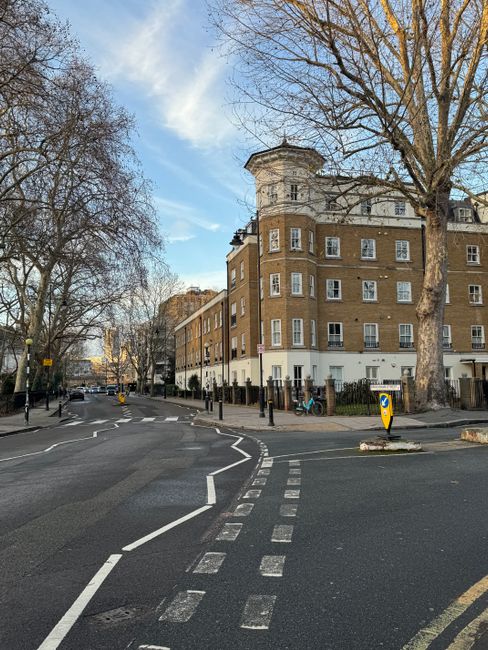
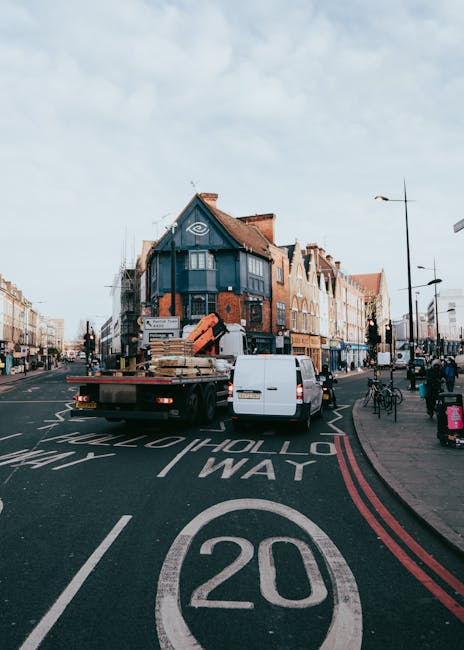
Homerton is an area in the London Borough of Hackney, in east London, with roots that reach back to a historic settlement recorded in medieval sources. It sits between better-known parts of Hackney and the wider Lea Valley corridor, and its character has been shaped by long periods of change rather than a single development era. The area has a mix of residential streets, local shops, older institutional buildings and routes that connect towards neighbouring districts, giving it a layered urban feel. Homerton Hospital is one of its most recognisable modern landmarks, while the surrounding streets show the varied architecture typical of inner east London, from terrace forms to later infill and estate development. Green space is close by through Hackney Marshes and surrounding parkland, and the area is linked into the wider network of east London through rail and Overground connections. Over time, Homerton has been influenced by shifts in housing, transport and local employment, yet it still keeps a distinct identity within Hackney. Its street pattern, mixed building stock and everyday civic life make it a place that feels busy without being anonymous. The result is a neighbourhood with strong local connections and a practical urban layout that supports day-to-day movement, services and community activity.
Practical support for moving day

On the day itself, the most useful thing is usually a clear sequence. Items should be ready to move, pathways should be free where possible, and the order of loading should reflect how the destination will be used. This makes the move less stop-start and helps avoid unnecessary handling. A calm process is especially helpful when a property contains both fragile pieces and heavier furniture, because the work can then proceed in a logical order.
There are a few small decisions that often make a big difference. For example, if drawers need emptying, if wall-mounted items need removing, or if appliances need disconnecting before collection, that should be agreed in advance. It is also worth confirming whether the final drop-off point has lift access, nearby parking or any restrictions that could affect unloading. These details are ordinary parts of planning, but they shape the quality of the move. If you want a broader overview of how the service is presented, our man with van removals page may be useful.
The best quotation requests are concise but complete. Say what is moving, where it is going, and whether anything unusual applies, such as long carries, stairs or items that need special handling. If you can do that, we can focus on a sensible, workable arrangement instead of guesswork. That is often the difference between a rushed move and one that feels under control. When you are ready, ask for a quotation and we will take it from there.
Pricing factors and quotation details
Van-based removals are usually priced according to the practical requirements of the job rather than a fixed template. The main influences tend to be the load size, the distance travelled, the time needed for loading and unloading, and any access issues that require additional care. A straightforward move with clear access will usually be easier to plan than a job involving several floors, heavy furniture or awkward parking. The more accurately the details are described, the easier it is to quote appropriately.
For customers comparing related pages, our pricing and quotes page is the obvious place to start. It sits alongside the service pages and helps explain how a request can be put together in practical terms. If you want to understand the wider company information that sits around the service, the about us page and the removal company page may also be useful. These pages do not change the work itself, but they can help you navigate the site more easily.
When requesting a quotation, keep the wording direct. A list of key items, the collection point, the destination and any access notes is usually enough. If the move is time-sensitive, state that clearly so the arrangement can be considered sensibly. We do not need a long explanation, but we do need enough information to understand the scale of the task. Send the details and request a quotation when you are ready.
Why this service fits compact and mixed loads

A man with van service is often the most practical choice when a move falls between a single-item delivery and a full-scale house removal. It handles the in-between jobs that still need care: mixed household items, small business loads, and furniture that is awkward enough to need proper lifting but not enough to justify a large vehicle and crew. That flexibility is part of its value, because it lets the transport match the real scale of the work.
There is also a useful difference between moving everything at once and moving in stages. Some customers prefer to split a move across separate trips, while others want one clean journey from one address to another. Both can be sensible, depending on the load and the access. If the job has a specific moving pattern, it is worth stating from the outset. For related service information, the house movers page and house removalists page offer additional wording that may help you compare options.
Whatever the shape of the move, the best next step is still the same: describe the job clearly and ask for a quotation. If the items are ready, the route is known and the access is understood, the arrangement becomes much simpler to price and carry out. That is the practical advantage of keeping the service focused. Use the contact route when you are ready to move forward.