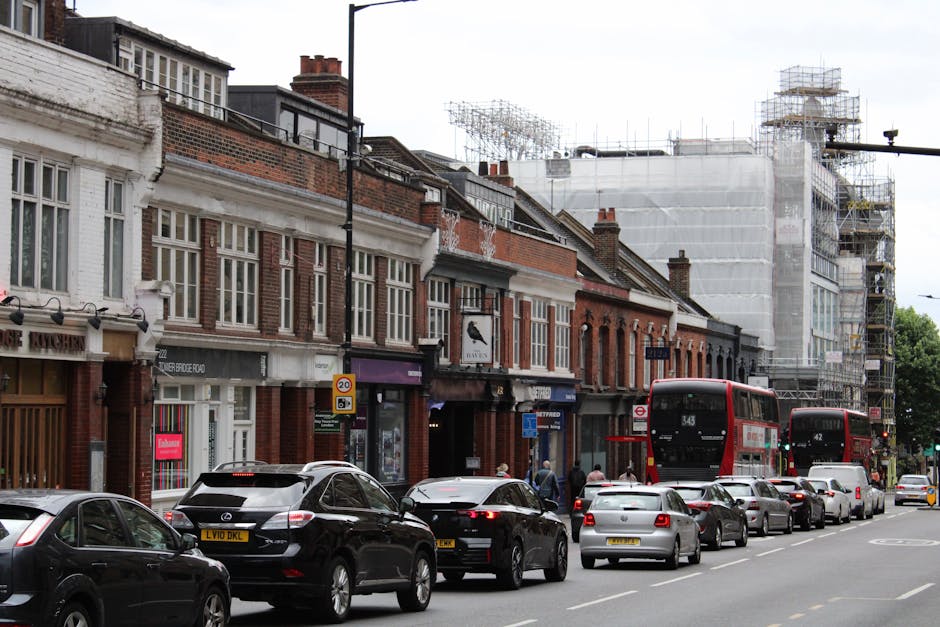
Homerton Road Removals: Streetside Access Tips
Posted on 23/05/2026
Trying to move from a busy street in Homerton can feel simple on paper and slightly chaotic in real life. Cars are parked nose to tail, neighbours are coming and going, and the removal van needs just enough space to load without blocking the road for everyone else. That is where Homerton Road Removals: Streetside Access Tips come in. With the right planning, a street-level move can be quicker, safer, and a lot less stressful than most people expect.
In this guide, we will walk through how streetside access works, what to check before moving day, and how to avoid the small mistakes that turn into big delays. You will also find practical advice for flats, terraces, student moves, offices, and awkward loading spots. Truth be told, a smooth move is often less about brute strength and more about timing, planning, and knowing how to use the street properly.
If you are preparing a full home move, you may also find it useful to look at house removals in Homerton, or for lighter jobs, man and van support in Homerton. The same principles apply: make the access easy, and everything else starts to fall into place.
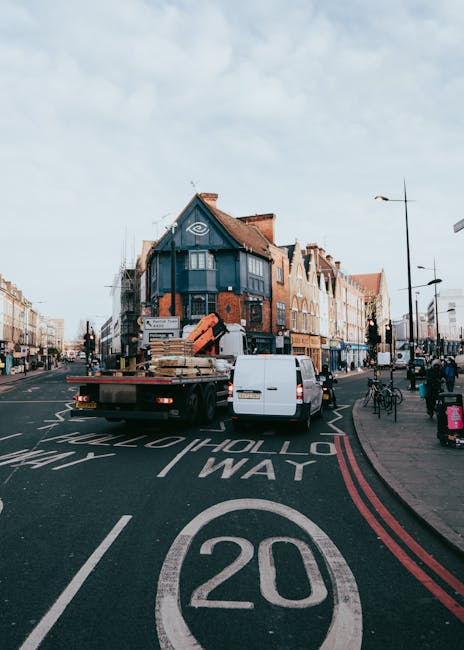
Why Homerton Road Removals: Streetside Access Tips Matters
Streetside access is the part of a move that people often underestimate. The sofa can be wrapped properly, the boxes can be labelled neatly, and the kettle can be packed last. But if the van cannot stop close enough to the entrance, every item takes longer to move. That extra distance matters more than most people realise.
In Homerton, many streets are busy, narrow, or lined with parked vehicles. Some properties have front steps, basement entries, shared entrances, or limited turning space. On a calm Tuesday morning, that might be manageable. At school-run time or during evening traffic, it can become a little dance with hazard lights and patience. Not ideal, obviously.
Good access planning helps protect your belongings, your time, and your back. It also reduces pressure on the movers, which is never a bad thing. When a crew can park sensibly and work close to the door, they can move furniture in a more controlled way. That usually means fewer bumps, fewer pauses, and a more predictable schedule.
If your move includes bulky furniture, the guidance on furniture removals in Homerton can help you think through the access side of large items before moving day arrives.
How Homerton Road Removals: Streetside Access Tips Works
At its simplest, streetside access planning is about matching your move to the street outside your property. You are checking where the vehicle can stop, how long it can stay there, and what needs to happen between the front door and the van. Sounds basic. In practice, there are several moving parts.
The first step is to look at the street as if you were the van driver. Is there a safe place to stop without blocking junctions, crossings, or driveways? Is there enough room to open rear doors, tail lifts, or side doors? Can the crew get a trolley or dolly to the property entrance without weaving around bins, railings, or random bike locks? These questions save time later.
Then comes timing. Some streets are easy early in the morning and much tighter by midday. Others are fine outside school drop-off times but awkward during commuter peaks. A quick pre-move visit, or even a proper walk outside with a tape measure and your phone camera, can reveal things you would otherwise miss. The sort of thing you only notice once the van is already there. Which, let's face it, is a bit late.
If you want a fuller view of the moving process, a useful companion read is the services overview, which helps you understand how different removal services fit together before you commit to a plan.
Key Benefits and Practical Advantages
Streetside access planning is not just about convenience. It changes the whole shape of the move.
- Faster loading and unloading: Less walking between the door and the van means less time spent on each item.
- Lower damage risk: Furniture is carried fewer metres, which reduces the chance of knocks on walls, door frames, and bannisters.
- Less physical strain: Shorter carry distances matter, especially with awkward items or multiple flights of stairs.
- Better control over timing: A clear loading point helps crews keep the job on schedule.
- Improved neighbour relations: A tidy, sensible loading arrangement is simply less disruptive.
There is also a quiet benefit people do not talk about enough: confidence. When you know where everything is going, the move feels less improvised. That matters, especially if you are already juggling keys, final cleaning, kids, pets, or a very determined cat hiding behind the wardrobe.
For those moving on a tighter schedule, same-day removals in Homerton can be a practical option, but only if streetside access is planned properly from the start. Speed is helpful. Poor access still slows everything down.
Who This Is For and When It Makes Sense
This advice is useful for more people than you might think. If your property opens directly onto the street, if parking is limited, or if you live in a busy part of Homerton, streetside access planning should be on your checklist.
It is especially helpful for:
- Flat moves with no driveway or rear access
- Terraced houses with narrow front paths
- Student moves with lots of small boxes and tight timings
- Office moves where several people are loading at once
- Moves with large furniture, pianos, or fragile items
- Anyone using a smaller van and needing efficient loading order
If you are in a top-floor flat, it is doubly worth getting this right. You can read more about that kind of setup on the flat removals Homerton page. Flats often have shared hallways, tighter stairwells, and neighbours who really notice if the landing gets blocked for too long.
For students or renters working to a deadline, the student removals Homerton service can be a good fit, especially when move-out day is compressed and everything has to happen in one sweep.
Step-by-Step Guidance
Here is a practical way to approach streetside access before moving day.
- Assess the street from both directions. Walk outside and check how traffic flows, where vehicles usually stop, and whether the road narrows near your property.
- Measure the useful space. Estimate how much room a van needs to stop safely and how much pavement space is available for carrying items.
- Check for obstacles. Look for bollards, low branches, parked cars, bins, lamp posts, steps, railings, or uneven paving.
- Decide where each item will go. The big furniture should be first in the loading plan, not last. That tiny change saves a lot of back-and-forth.
- Prepare the doorway. Clear mats, loose shoes, plants, and anything that could trip the crew or snag a box.
- Protect the route. Use covers or blankets near narrow door frames and fragile wall corners where needed.
- Confirm the parking approach. If you need a dedicated loading location, work out the plan early and keep it realistic.
- Group items by size and priority. Boxes, furniture, and fragile pieces should be staged in an order that suits the loading sequence.
- Keep essential items separate. Documents, chargers, medication, and keys should stay with you, not in the van.
- Re-check on the morning. Streets change. Bin day, roadworks, or a neighbour's delivery van can alter the plan in minutes.
A small but useful habit: take a photo of the street the day before. It helps you remember how the space looked before the first van or recycling truck parked there. Slightly mundane? Yes. Very handy? Also yes.
For packing support, packing and boxes in Homerton is worth reviewing if you want a cleaner sequence from room to van. And if the packing process is still overwhelming, this guide on essential packing guidelines offers a more detailed start.
Expert Tips for Better Results
After enough moves, you start to notice that the best outcomes usually come from very ordinary habits done well.
- Load near-to-door items first: The closer the van is to your entrance, the more sense it makes to load the heaviest or most awkward pieces first.
- Use one carry line: Avoid multiple people crossing paths in the hallway. It sounds obvious, but busy homes get cluttered quickly.
- Keep one person on access watch: Someone should be checking the pavement, traffic, and neighbours' vehicles while the loading is underway.
- Protect corners, not just surfaces: Door frames, skirting, and stair corners are the usual trouble spots.
- Allow a buffer: If you think loading will take 40 minutes, give yourself 60. The street often has other ideas.
For bulky seating or delicate upholstery, it helps to think beyond the move itself. This article on smart sofa storage strategies is a useful read if your furniture needs to be kept safe before or after transport.
And if you are moving a bed, mattress, or headboard through a tighter entrance, the advice in bed and mattress relocation can help you avoid the classic "how on earth does this fit?" moment.
Common Mistakes to Avoid
Most access problems are preventable. The same mistakes crop up again and again, usually because people are focused on the inside of the property and forget about the street.
- Assuming the van will fit anywhere: Not every street allows easy stopping, and some spaces look wider than they really are.
- Leaving parking until the last minute: This is where delays begin.
- Ignoring pavement width: A van may stop nearby, but if trolleys cannot pass safely, the whole process slows down.
- Blocking neighbours without warning: A quick heads-up often prevents friction.
- Not planning for stairs or steps: Street access is only half the story if the front door is raised or recessed.
- Loading in the wrong order: Heavy, awkward items should not be left until the van is packed full.
There is also the classic mistake of forgetting how wet London pavements can get. A light drizzle is enough to make cardboard soften, soles slip, and everyone move a little more cautiously. One damp patch and suddenly the "quick load" becomes a careful one.
If your move involves heavy lifting, it is wise to read how to lift heavy objects safely and this simpler explanation of kinetic lifting principles. The street may be your first challenge, but the lifting still matters just as much.
Tools, Resources and Recommendations
You do not need a warehouse of equipment to manage streetside access well. A few sensible tools go a long way.
| Tool or Resource | What It Helps With | Why It Matters |
|---|---|---|
| Measuring tape | Doorways, hallways, van clearance | Helps you avoid last-minute surprises |
| Phone camera | Street layout and access photos | Useful for planning and sharing details with movers |
| Furniture blankets | Surface protection during loading | Reduces scuffs on corners and door frames |
| Trolley or sack barrow | Heavier boxes and appliances | Shortens carrying effort and improves safety |
| Strong packing materials | Box stability and stackability | Makes loading quicker and more secure |
For more packing support, these packing guidelines are a sensible companion to street access planning. If you are feeling overloaded, that is normal enough. A bit of structure helps more than a heroic all-nighter ever will.
For bigger or more sensitive jobs, it may be worth reviewing piano removals in Homerton or removal van options if access, lifting, or vehicle size are the main concerns. And if you want to stay informed about how a provider handles claims and caution, insurance and safety information is always worth a look.
Law, Compliance, Standards, or Best Practice
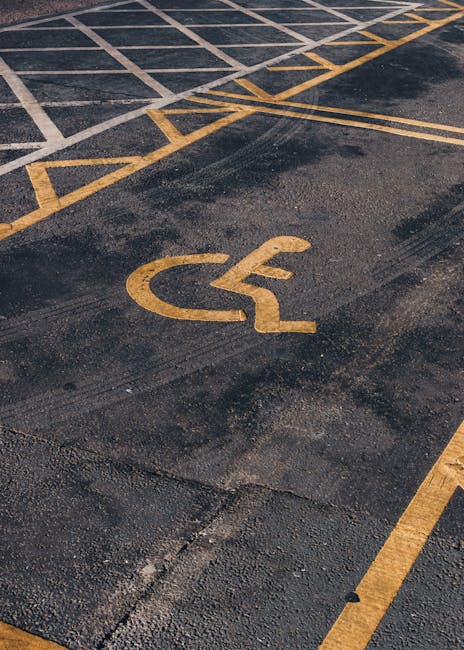
For street loading and unloading in London, the key principle is simple: do not create unnecessary danger or obstruction. In practical terms, that means thinking carefully about where the vehicle stops, how people move around it, and whether the activity could block access or cause risks to pedestrians and other road users.
Local parking and loading rules can vary, and they may change depending on the street, the time of day, or nearby restrictions. So, rather than guessing, it is best to check the relevant local guidance before moving day. If parking permissions or loading bays are involved, plan early and make sure everyone understands the arrangement.
Good practice also includes:
- Keeping footpaths as clear as possible
- Using safe manual handling methods
- Avoiding blocked entrances or crossings
- Making the moving route visible and predictable
- Respecting neighbours and shared access areas
If you are choosing a provider, it helps to review the business information as carefully as the moving plan. Pages such as about us, terms and conditions, and health and safety policy give useful context about how a company works and what standards it follows.
For storage between move-out and move-in dates, storage in Homerton can reduce pressure on a street-level move, especially if access timing is tight or the property is not ready yet.
Options, Methods, or Comparison Table
There is more than one way to handle a streetside move, and the right option depends on the property, the load, and the time available. Here is a simple comparison.
| Approach | Best For | Pros | Watch Outs |
|---|---|---|---|
| Full van parked as close as possible | Large home moves with enough street space | Fastest loading, fewer carry steps | May be hard in narrow or busy streets |
| Short carry from a legal loading point | Busy roads or restricted streets | More compliant and usually more predictable | Needs more lifting and coordination |
| Smaller vehicle or man and van setup | Flat moves, student moves, smaller loads | Easier to position, often more flexible | May require extra trips if the load is large |
| Split move with storage | Homes with timing gaps or access delays | Reduces same-day pressure | Needs careful coordination and planning |
For lighter jobs and more flexible scheduling, a man with a van can be a smart choice. For larger household jobs, removals in Homerton may offer the broader support you need. The best option is the one that matches the street, not just the contents of the property.
Case Study or Real-World Example
Imagine a two-bedroom flat on a residential street in Homerton. The front door opens onto a narrow pavement, and the nearest legal stopping point is not directly outside the property. The moving day starts at 8:30 a.m., which is sensible enough, but there are already cars parked on both sides of the road.
The successful approach in this kind of move is usually straightforward:
- Boxes are stacked by room the night before
- The largest furniture is placed closest to the exit
- The van stops at the nearest safe, practical point
- One person keeps an eye on the street while the team loads
- Fragile items are carried separately and last
What makes the move work is not luck. It is the sequence. The crew is not wasting energy deciding what to do next, and nobody is trying to squeeze a three-seater sofa through a crowded hallway while someone else hunts for tape. I have seen that kind of thing happen, and it is rarely elegant.
If the job also involves dismantling or sensitive handling, the article on expert piano movers shows why specialist handling matters for awkward or valuable items. Even a simple street move gets easier when the tricky pieces are treated properly.
Practical Checklist
Use this checklist the day before and again on moving morning.
- Confirm the van size and approximate arrival time
- Check whether street parking or loading restrictions apply
- Walk the route from the front door to the kerb
- Remove trip hazards, loose mats, and clutter
- Pack fragile items separately and label them clearly
- Keep keys, documents, and medications with you
- Set aside tools for furniture disassembly if needed
- Protect walls, thresholds, and awkward corners
- Alert neighbours if the load-out may briefly affect shared space
- Have a backup plan if a vehicle is already using the best stop point
Expert summary: Streetside access is not a side detail. It is a core part of the move. When the road, vehicle, crew, and packing plan all line up, the whole day feels calmer and more controlled. A bit less frantic. A bit more human.
For help with pre-move decluttering, this clutter-clearing guide is worth a look, especially if you are trying to reduce the number of trips from the front door to the van.
Conclusion
Streetside access can make or break the flow of a move, especially on busy Homerton roads where space is precious and timing matters. The good news is that most access problems are manageable with a bit of planning, a realistic loading sequence, and a sensible eye on parking and safety. You do not need perfection. You just need a clear plan and enough flexibility to handle the odd surprise.
Whether you are moving from a flat, a family home, or a small office, the same principle holds: make the route from property to van as direct and practical as possible. Keep the street clear, keep the boxes organised, and keep the heavy lifting controlled. That alone removes a surprising amount of stress.
If you are still weighing up service options, this is a good point to review removal services in Homerton and decide what level of help best fits your property access, timing, and load size. The right setup tends to feel quietly smooth. No drama, no shouting, just a sensible move done well.
Get a free quote today and see how much you can save.
And if you need one last reminder before the van arrives: take a breath, open the door, and keep the route clear. It really can be that straightforward.