E9 Moving Guide: Homerton Parking & Access
Posted on 15/05/2026
E9 Moving Guide: Homerton Parking & Access
Moving in E9 can feel straightforward on paper, and then the van arrives and reality kicks in: tight streets, awkward corners, someone's car parked where it really should not be, and a sofa that suddenly seems to have grown an extra foot. That is exactly why an E9 Moving Guide: Homerton Parking & Access matters. It helps you plan the practical side of a move before the boxes start moving, so you are not improvising at the kerb with the clock ticking.
Homerton has its own rhythm. Residential roads, flats with stair access, mixed-use streets, school runs, hospital traffic, and a fair bit of everyday London pressure all shape how a move actually happens. If you want the day to run smoothly, parking and access are not small details. They are the thing that decides whether unloading feels calm or chaotic.
This guide breaks down what to think about, how to prepare, and where the common bottlenecks usually appear. It also points you towards practical support if you are moving a flat, a family home, student accommodation, or a small office nearby.

Why E9 Moving Guide: Homerton Parking & Access Matters
A move rarely fails because of the boxes. It usually goes sideways because the van cannot stop where you expected, the lift is too small, or the only route into the building means three extra trips up the stairs. In a busy part of East London, those little issues become the real story of moving day.
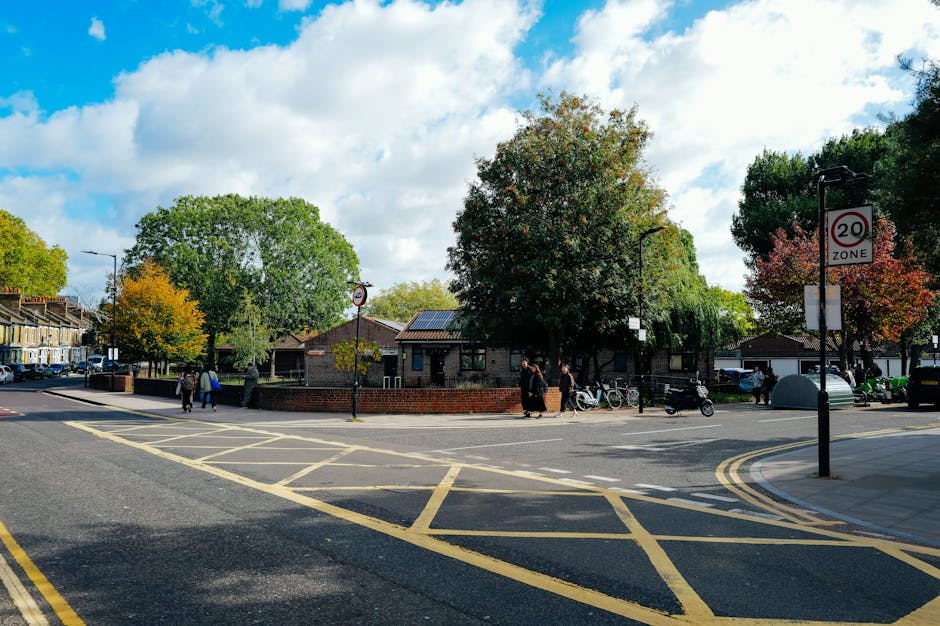
Homerton and the wider E9 area bring together many of the classic London moving challenges. You may be dealing with narrow streets, residents' bays, controlled parking, loading restrictions, timed access windows, or flats where the front door opens straight onto a busy path. Some properties are easy enough. Others need a bit of strategy, a calm head, and a van that is positioned properly from the start.
Good parking and access planning matters because it affects almost everything else:
- how long the loading and unloading takes
- how many staff are needed for carrying
- whether fragile items stay protected
- how much strain is placed on you and your movers
- the risk of delays, disputes, or unexpected costs
It also makes the day feel less frantic. Truth be told, once the van is parked cleanly and the route is clear, everything tends to calm down. The move still has plenty to do, obviously, but the worst of the stress usually drops away.
If you are still in the early planning stage, it can help to read a few broader moving resources too, like how to clear the clutter before a house move and essential packing guidelines for a smoother move. Parking and access are easier to manage when the rest of the move is already organised.
How E9 Moving Guide: Homerton Parking & Access Works
The idea is simple: plan the vehicle position, loading route, and building access before moving day, so the actual removal can happen with minimal interruptions. In practice, that means thinking like a mover, not just a resident. Where will the van stop? How far is the lift? Will there be a clear path from the property to the vehicle? Can the stairs handle bulky items like wardrobes or mattresses without bumping corners?
For many E9 moves, the process starts with a quick location check. That might involve looking at the street outside the property, noting any parking controls, checking whether the road feels suitable for a removal van, and confirming the building's access arrangements. If you are in a flat, it is worth asking about lift access, key codes, concierge hours, and any booking requirements for communal areas.
A useful way to think about it is in three layers:
- Vehicle access: where the van can legally and safely stop.
- Property access: how movers get from the door to the van.
- Item access: whether large or awkward items need extra handling, dismantling, or special protection.
These layers connect. If the parking space is too far away, carrying time increases. If access is tight, fragile items need more wrapping and more careful movement. If the building has a narrow stairwell, you may need a different plan for furniture removals entirely, which is where a service such as furniture removals in Homerton becomes especially useful.
And yes, sometimes the plan changes on the day. That is normal. A delivery van may already be on the road, or a neighbour may have parked where you hoped to load. Good access planning is not about pretending the street will be perfect. It is about having a backup that still works.
Key Benefits and Practical Advantages
Getting parking and access right does more than save time. It improves the whole tone of the move. People often underestimate that part. You can have all the packing boxes in the world, but if the van is stranded two doors down and the lift is out of service, the day starts to feel like a slog.
Here are the most practical benefits:
- Less carrying distance: fewer steps between the property and the van means lower physical strain.
- Faster turnaround: loading and unloading become more efficient.
- Better safety: shorter routes reduce the chance of slips, knocks, or dropped items.
- Lower stress: you are not trying to solve parking in the middle of a move.
- Cleaner scheduling: the team can estimate the job more accurately.
There is also a money angle, even if it is not always obvious. A move that takes longer because of access problems may need extra time or extra labour. That is not a problem in itself, but it is much easier to manage when it is planned rather than discovered halfway through the first load.
For people who want a more hands-on, lower-cost approach, a man and van service in Homerton can be a practical fit. If your move is larger or includes awkward furniture, a broader removal services package may be the safer choice. The right option depends on distance, volume, and how tricky the access really is.
One small but valuable advantage: better access planning makes it easier to protect walls, door frames, and shared hallways. That matters in flats and converted buildings, where the last thing you want is a scrape on the way out. Not fun. Not worth it.
Who This Is For and When It Makes Sense
This guide is for anyone moving in or around E9 who wants to avoid access-related headaches. That includes first-time movers, families leaving a house, tenants moving from a flat, students shifting between term-time homes, and businesses relocating a small office nearby.
It is especially useful if any of the following sound familiar:
- you live on a street with limited parking
- your property is in a block of flats with shared entrances
- you have bulky furniture, a piano, or heavy appliances
- you are moving during a busy weekday or school-run time
- you expect other road users, neighbours, or building rules to affect the day
Students moving to or from local accommodation often benefit from a simpler plan, especially if they are moving on a tight timetable. In those cases, student removals in Homerton can be a sensible fit because the move may need to be quick, flexible, and not too complicated.
Flat moves are another obvious case. Stairs, lift bookings, and shared corridors make access more than a side issue. For those moves, flat removals in Homerton can be especially helpful because the service is used to the realities of communal access and apartment layouts.
If you are moving near the hospital or around busier local roads, the timing matters even more. A useful local reference is this guide to moving near Homerton Hospital, which gives a good sense of the area-specific pressures that can shape your schedule.
In our experience, the people who benefit most are the ones who say, "It's only a short move, so it'll be fine." Short moves can still be messy if the parking is awkward. Sometimes they are the messiest of all, to be fair.
Step-by-Step Guidance
If you want parking and access to work for you, not against you, follow a simple process. Nothing fancy. Just a few practical moves that reduce surprises later.
- Check the exact address and approach. Look at the street, not just the postcode. A road can look roomy on a map and still be a nightmare on the ground.
- Identify parking restrictions. Confirm whether the street has residents' bays, loading restrictions, yellow lines, time controls, or access limitations.
- Measure the key access points. Note stair width, doorway clearance, lift size, and any awkward turns. This is especially important for larger items.
- Tell the movers about bulky or fragile items. If you have a sofa, wardrobe, piano, or bed frame, mention it early. A good plan often starts with what might not fit.
- Book or reserve anything that needs booking. Some buildings require lift reservations or advance notice for moving day. Sorting that later is a pain.
- Prepare for the load path. Move cars, bins, bikes, and clutter from the route between the property and the van.
- Set a fallback plan. If the ideal parking space is taken, decide where the van can stop instead.
For the packing side of the day, it helps to line up your materials early. The page on packing and boxes in Homerton is a useful companion if you need supplies or want to pack in a more structured way. And if the move is moving quickly, rather than neatly, same-day removals in Homerton can be worth looking at, especially when timings are tight.
One small tip that sounds obvious until you forget it: keep the most important items near the front. Keys, kettle, phone charger, medication, paperwork. You do not want to be rummaging through box number 24 at 9:30pm while the tea bags are somewhere in a mystery carton.
Expert Tips for Better Results
A few small adjustments can make a big difference. None of these are revolutionary, but that is exactly why they work.
- Schedule the move outside peak pressure where you can. School-run traffic, lunch-hour loading, and evening parking demand can all make access harder.
- Use the shortest safe walking route. The shortest route is not always the smartest one if it means stairs, wet paving, or a sharp bend.
- Disassemble big items before moving day. If you are shifting beds or wardrobes, the difference is huge. For practical detail, see innovative approaches to bed and mattress relocation.
- Protect the building as well as the items. Door frames, bannisters, and shared hallways deserve as much attention as the furniture.
- Talk about access before quoting. A realistic quote depends on real access. That means stairs, parking distance, and awkward entry points all matter.
- Pack by weight, not just by room. Heavy boxes make stair moves harder. If you need a refresher, this guide to lifting heavy objects safely is a sensible read.
Sometimes the best move is to reduce the load, not just move it better. If you are overwhelmed by the amount of stuff, a bit of decluttering can save you time, money, and a mild spiral on the kitchen floor. There is a good reason people keep recommending clutter-clearing before a house move. It really does help.
If your move involves delicate or specialist items, use the right help rather than improvising. That is especially true for instruments. A piano is not a "bring a few strong friends" situation. For that, piano removals in Homerton is the safer route.
Common Mistakes to Avoid
Most access problems are predictable. That is the frustrating part. The good news is that predictable problems are easier to avoid once you know what to look for.
- Assuming the van can park right outside. In E9, that is not always realistic.
- Forgetting about restrictions at certain times of day. A space that looks free in the morning may not work later.
- Not checking building access rules. Some flats and managed buildings have specific moving procedures.
- Leaving fragile or oversized items until last. That is when people start forcing things, which is never ideal.
- Ignoring the weather. Rain makes pavements slick, cardboard soft, and everyone a bit less cheerful.
- Not telling movers about the awkward bits. If there is a narrow stairwell or a steep step, say so early.
A very common mistake is underestimating how long the final stretch takes. The flat might be packed. The van might be waiting. But if the path from the front door to the vehicle is cluttered or distant, the last 10 percent of the job can feel like the longest part. Funny how that happens.
Another one: leaving cleaning until after the move and discovering there is no time left. If you need a more efficient handover, expert move-out cleaning advice can help you approach the final stage without panic.
Tools, Resources and Recommendations
You do not need a huge toolkit, but a few practical items make access management much easier.
| Tool or Resource | Why It Helps | Best Used For |
|---|---|---|
| Printed parking notes | Useful if the driver or helpers need quick instructions | Managed buildings, tight streets, backup plans |
| Measuring tape | Helps confirm whether furniture will fit through doors or lifts | Sofas, wardrobes, beds, appliances |
| Furniture blankets and straps | Reduce damage during short carries and van loading | Fragile or heavy items |
| Trolley or sack truck | Speeds up movement for boxes and smaller appliances | Longer walkways, multiple trips, heavier loads |
| Building contact details | Useful if access needs to be clarified on the day | Blocks of flats, offices, managed properties |
There are also a few website resources worth keeping open while planning. If you want a broader overview of services, the services overview is a good starting point. For reassurance on moving protections, insurance and safety information is worth a read. And if you are comparing support levels, a removal van in Homerton can be a practical middle ground between DIY and a full-house service.
If storage is part of the plan because completion dates do not line up neatly, storage in Homerton may solve a lot of pressure very quickly. Especially when the keys are delayed. Which, let's face it, does happen.
Law, Compliance, Standards, or Best Practice
Parking and access planning sits inside a wider framework of local rules, building rules, and common-sense moving practice. It is not usually complicated, but it does need respect.
In practical terms, you should always consider:
- local parking controls and loading restrictions
- building management rules for flats, estates, or office premises
- access hours and noise expectations
- the safety of pedestrians, neighbours, and workers
- manual handling best practice when lifting heavy items
UK moving work also depends on sensible health and safety habits. That means not blocking routes unnecessarily, not overloading carrying loads, and using proper lifting technique. If you want a clearer view of the company's approach, the health and safety policy and accessibility statement are useful trust pages to review. They show how access, inclusion, and safe practice are treated in a real operational setting.
For heavier lifting, simple mechanics matter. Keep loads close, bend at the knees rather than the back, and do not twist while carrying. That sounds basic because it is basic, but basic is often what protects you. The guide on kinetic lifting and its core elements explains the principle in plain English if you want a deeper refresher.
Best practice also means being honest about limitations. If a staircase is too narrow, a lift is too small, or parking is too distant for safe carrying, the plan should change. Good moving is not about stubbornness. It is about making the safest workable choice.
Options, Methods, or Comparison Table
Different E9 moves call for different approaches. Here is a simple comparison to help you decide what fits your situation.
| Approach | Best For | Strengths | Watch Outs |
|---|---|---|---|
| DIY with a hired van | Small moves, short distances, low volume | Flexible and often cost-conscious | You handle the planning, lifting, and parking yourself |
| Man and van | Flat moves, student moves, mixed loads | Quick, practical, good for access challenges | May still need careful item prep and clear instructions |
| Full removal service | Larger homes, offices, complex access, bulky items | More support, better for heavier or awkward moves | Usually needs earlier booking and more detailed planning |
| Same-day help | Urgent changes, short-notice moves, gaps in timing | Speed and flexibility | Availability may be limited, so timing matters |
If your move includes fragile furniture, specialist handling, or a tight access route, a more tailored service is usually worth it. If you are comparing options, removal companies in Homerton can give you a sense of the local service landscape, while man with a van support is often the simplest practical starting point.
The right option is the one that matches your access, not just your budget. That distinction saves headaches later.
Case Study or Real-World Example
Picture a typical E9 flat move on a weekday morning. The tenant has packed everything well, the boxes are labelled, and the van arrives on time. So far, so good. Then the team realises the closest parking space is occupied, the building entrance sits a bit further back than expected, and the lift is shared with another block resident who has also chosen exactly this moment to move a mattress. Lovely.
What makes the difference in a situation like that is not luck. It is preparation. The better-planned move would already have a fallback parking option, confirmation of lift access, and the larger items ready to load first. Boxes would be staged near the front door. The heavier items would be wrapped and grouped. Nobody would be standing around wondering which box contains the kettle.
In a nearby example, a family moving from a house with a narrow front path might decide to separate the move into two phases: large furniture first, smaller packed items second. That means the van can park as close as possible for the heavy lifting, and the remaining boxes can be moved more easily once the bigger pieces are out. The result is not dramatic. It is just calmer.
That kind of thinking pairs well with broader prep guides like stress-free packing solutions and smart sofa storage strategies when items need protecting before or after the move. Small adjustments. Big difference.
Practical Checklist
Use this checklist a day or two before the move. It is short on purpose.
- Confirm the full address and arrival instructions
- Check parking restrictions near the property
- Identify the safest loading point for the van
- Measure doors, stairs, lifts, and major furniture
- Book building access or lift time if needed
- Tell movers about fragile, heavy, or oversized items
- Clear bins, bikes, prams, and loose obstacles from the route
- Pack a small essentials bag with keys, documents, chargers, and water
- Separate anything that needs special handling or storage
- Have a backup plan for parking if the first option is taken
If the move also involves closing up a property cleanly, you may want to review the site's support and trust pages too, including pricing and quotes, about us, and terms and conditions. They help set expectations before the day arrives.
Conclusion
In E9, a successful move is usually built on parking clarity, sensible access planning, and a realistic view of the street, the building, and the items you are moving. Once those pieces are in place, the rest of the day becomes much easier to manage.
The core lesson is simple: do not leave parking and access as an afterthought. Check the route, measure the tricky bits, plan for the unexpected, and choose the right level of help for your property. Whether you are moving a flat, a house, a student room, or a small office, that preparation pays off in calmer decisions and fewer surprises.
Get a free quote today and see how much you can save.
And if you are still in the middle of planning, keep going at a steady pace. One good decision leads to the next, and before long the whole move starts to feel manageable. That's the bit people remember afterwards.